

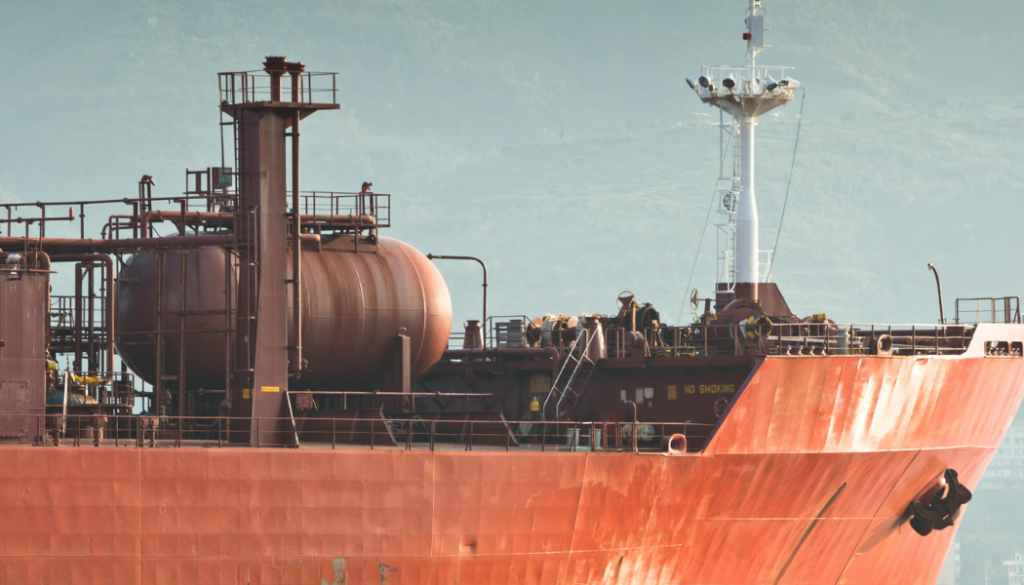
Marine equipment operates in one of the harshest environments on earth. Constant exposure to saltwater, humidity, chemicals, and changing weather conditions accelerates corrosion on steel structures, ship components, offshore platforms, and marine machinery. Without proper surface preparation, corrosion can compromise structural integrity, increase maintenance costs, and reduce the lifespan of valuable marine assets.
Modern corrosion blasting technologies play a critical role in restoring marine parts and preparing surfaces for high-performance protective coatings. At Tygnuz Marine, our blasting and painting services deliver industry-standard surface preparation that ensures long-lasting corrosion protection for vessels and offshore equipment.
Why Corrosion Blasting Matters in Marine Maintenance
Corrosion is more than surface rust. It weakens metal structures, affects equipment performance, and increases operational risks. Before applying protective coatings, every contaminated surface must be cleaned thoroughly to remove:
- Rust and corrosion
- Old paint and coating residues
- Marine salt deposits
- Mill scale
- Grease, dirt, and contaminants
Proper blasting creates the correct surface profile, allowing marine coatings to bond effectively and provide maximum durability. Marine industries commonly specify high-cleanliness standards such as Sa 2.5 (Near-White Metal Blast Cleaning) or Sa 3 (White Metal Blast Cleaning) for critical assets.
Leading Technologies for Corrosion Blasting on Marine Parts
1. Abrasive Grit Blasting
Abrasive grit blasting remains the most widely used technology in marine surface preparation. High-pressure compressed air propels abrasive media against the metal surface to remove heavy corrosion and create an ideal anchor profile for coatings.
Common abrasive materials include:
- Garnet
- Steel grit
- Aluminum oxide
- Copper slag
- Glass beads (for specific applications)
Advantages include:
- Fast removal of heavy rust
- Excellent coating adhesion
- Suitable for ship hulls, decks, tanks, pipelines, and structural steel
- Cost-effective for large projects
This method continues to be the preferred solution for marine and offshore maintenance because it removes corrosion while producing the surface profile required for durable protective coatings.
2. Hydro Blasting (High-Pressure Water Blasting)
Hydro blasting uses ultra-high-pressure water instead of abrasive media. It effectively removes:
- Loose rust
- Old paint
- Salt contamination
- Marine growth
Key benefits include:
- Minimal dust generation
- Reduced environmental impact
- No abrasive disposal
- Excellent for confined spaces and environmentally sensitive areas
Hydro blasting is particularly valuable where dust control is essential, although surfaces must be managed carefully to prevent flash rust before coating.
3. Wet Abrasive Blasting
Wet abrasive blasting combines water with abrasive media, offering the cleaning power of traditional blasting while reducing airborne dust.
Benefits include:
- Lower dust emissions
- Improved operator visibility
- Reduced heat generation
- Better environmental compliance
This technology is increasingly adopted in ports, shipyards, and offshore maintenance projects where dust control is a priority.
4. Vacuum Blasting
Vacuum blasting simultaneously removes corrosion while collecting spent abrasive and debris through an integrated recovery system.
Advantages include:
- Cleaner work environment
- Reduced contamination
- Minimal cleanup
- Recyclable abrasive media
- Ideal for onboard repairs and enclosed spaces
This technology is especially useful where surrounding equipment must remain clean during maintenance.
5. Shot Blasting
Shot blasting primarily uses steel shot propelled mechanically rather than compressed air. It is commonly used in workshops for preparing fabricated marine components before assembly or coating.
Applications include:
- Propeller components
- Engine parts
- Structural steel
- Fabricated offshore equipment
It provides consistent cleaning and a uniform surface finish suitable for protective coatings.
6. Bristle Blasting
Bristle blasting is a newer mechanical surface preparation method that uses rotating hardened steel bristles to remove corrosion while creating an anchor profile comparable to near-white blast cleaning.
Benefits include:
- No loose abrasive media
- Portable equipment
- Ideal for localized repairs
- Suitable where abrasive blasting is restricted
It is increasingly used for offshore maintenance and repair work in difficult-to-access locations.
7. Laser Cleaning Technology
Laser cleaning is an emerging corrosion removal technology that uses high-energy laser pulses to remove rust and contaminants without physical contact.
Advantages include:
- High precision
- Minimal waste
- No abrasive media
- Environmentally friendly
- Ideal for delicate or precision components
Although laser cleaning shows promise for specialized applications, conventional abrasive blasting remains the most practical and economical solution for heavy marine corrosion and large-scale ship maintenance.
Choosing the Right Blasting Method
The best corrosion removal method depends on several factors, including:
- Type of marine component
- Severity of corrosion
- Surface material
- Environmental regulations
- Required coating specification
- Project budget and timeline
Large ship hulls often require abrasive grit blasting, while sensitive machinery may benefit from hydro blasting or laser cleaning. Confined spaces frequently use vacuum blasting to reduce contamination.
The Importance of Surface Preparation Standards
Successful corrosion protection depends on achieving internationally recognized surface preparation standards before painting.
Professional marine contractors inspect surfaces for:
- Surface cleanliness
- Anchor profile
- Residual contaminants
- Salt contamination
- Dust levels
Meeting these standards significantly improves coating adhesion and extends the service life of marine structures.
Why Choose Tygnuz Marine for Blasting and Painting Services?
At Tygnuz Marine, we provide professional surface treatment solutions designed to protect vessels and offshore assets from aggressive marine environments. Our experienced team utilizes advanced blasting equipment and proven preparation techniques to achieve optimal coating performance.
Our services include:
- Abrasive blasting
- Hydro blasting
- Vacuum blasting
- Surface preparation to industry standards
- Marine protective coatings
- Anti-corrosion painting
- Offshore maintenance support
Every project is carried out with strict attention to quality, safety, and long-term durability, helping clients reduce maintenance costs while extending the lifespan of critical marine equipment.
Conclusion
Corrosion is inevitable in marine environments, but advanced blasting technologies provide an effective defense against its damaging effects. From abrasive grit blasting and hydro blasting to vacuum systems and emerging laser cleaning, each technology offers unique advantages depending on the application.
Selecting the right blasting method—and ensuring proper surface preparation—is the foundation of any successful marine coating system. With professional expertise and advanced equipment, Tygnuz Marine delivers reliable blasting and painting services that protect ships, offshore structures, and marine components against corrosion for years to come.